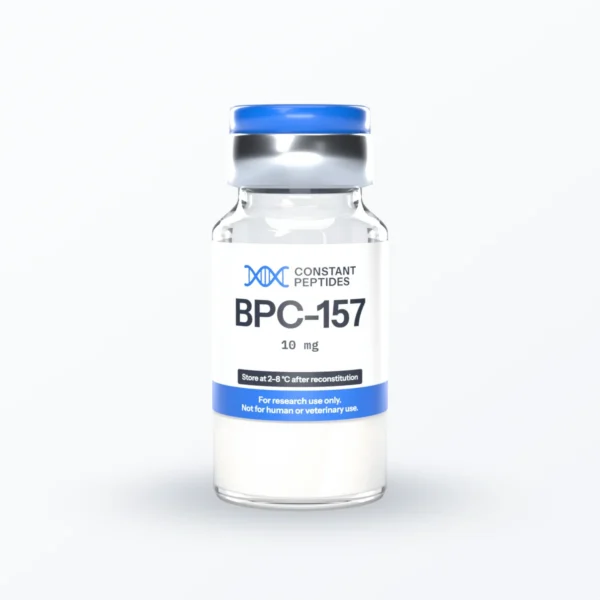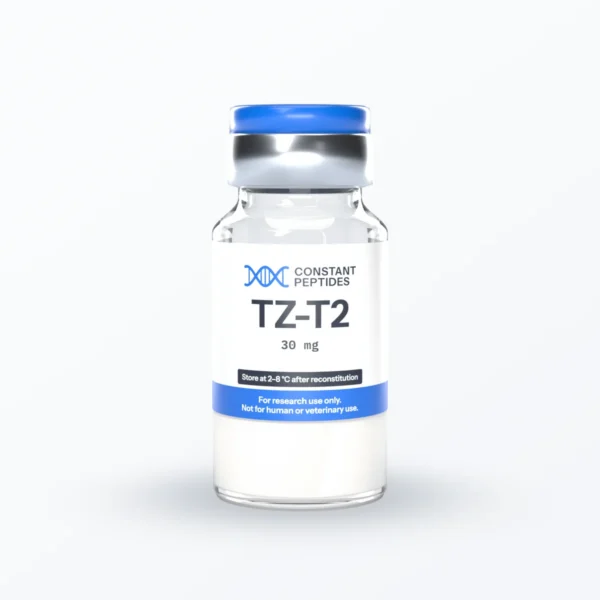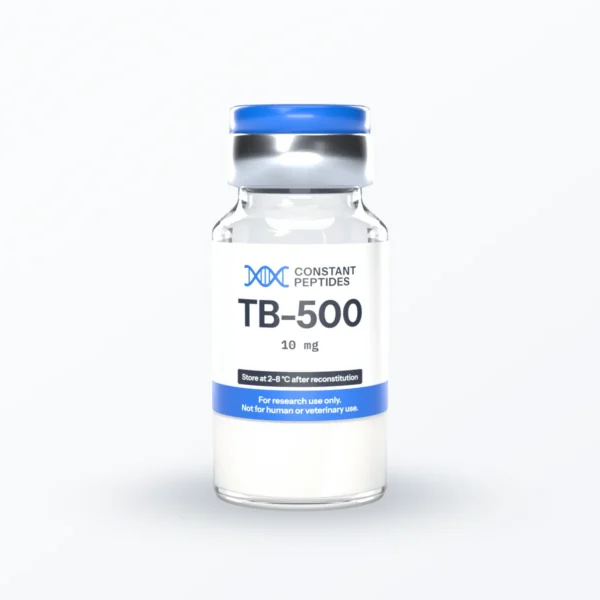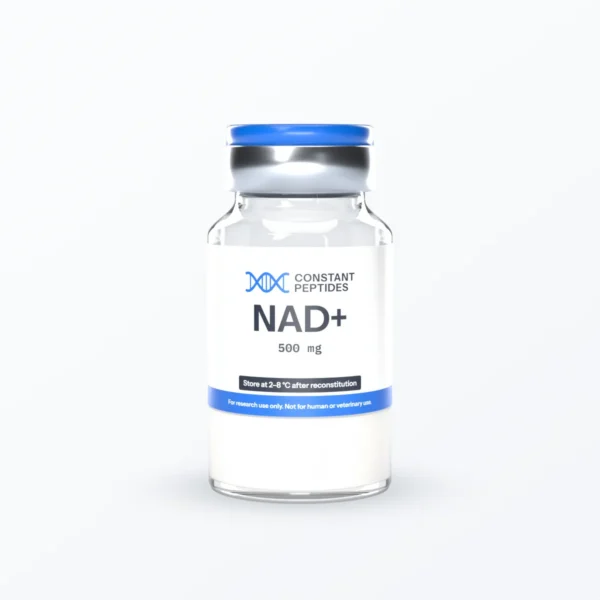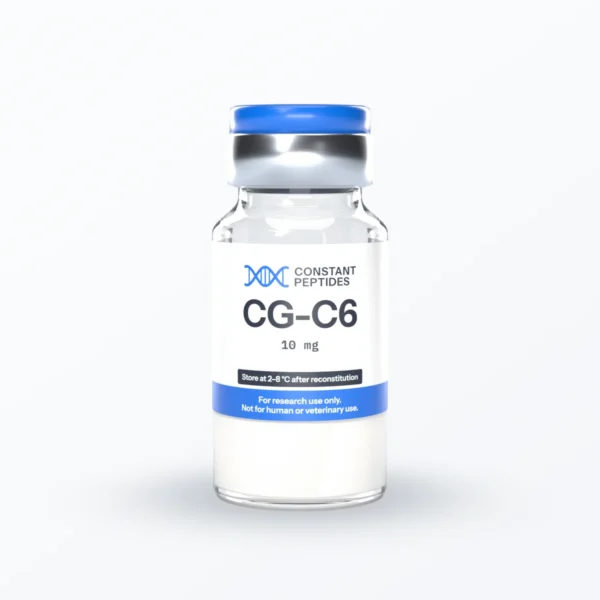
Research peptide
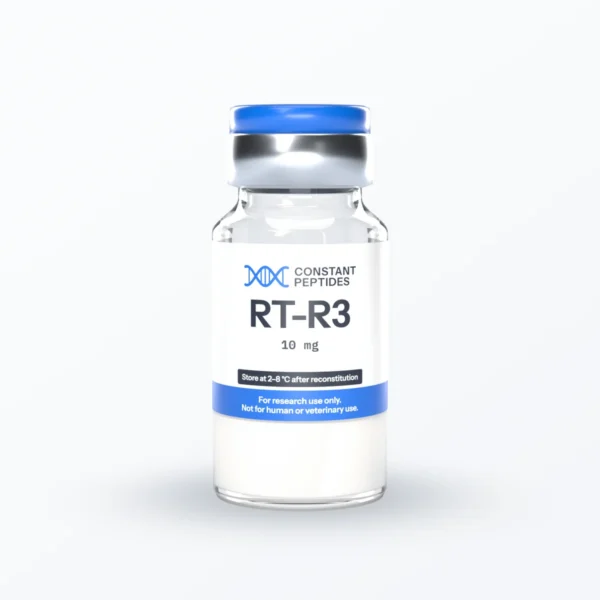
RT-R3
Lyophilized powder in a sealed glass vial. Purity 99.77% on the lab report.
Add to cart$79.00Free U.S. shipping on orders over $150 Free U.S. shipping over $150 Questions? Text (832) 210-3848
CAS #: 89030-95-5
Latest verified report
Certificate of Analysis
Research use only
All products currently listed on this site are for research purposes only. These compounds are NOT intended for human consumption, clinical use, or veterinary applications. We are not affiliated with any pharmaceutical companies or their commercial medications. By placing an order, you certify these materials will be used exclusively for in vitro testing and laboratory experimentation only. Bodily introduction of any kind into humans or animals is strictly forbidden by law. This product should only be handled by licensed, qualified professionals. This product is not a drug, food, or cosmetic and may not be misbranded, misused or mislabeled as a drug, food or cosmetic.
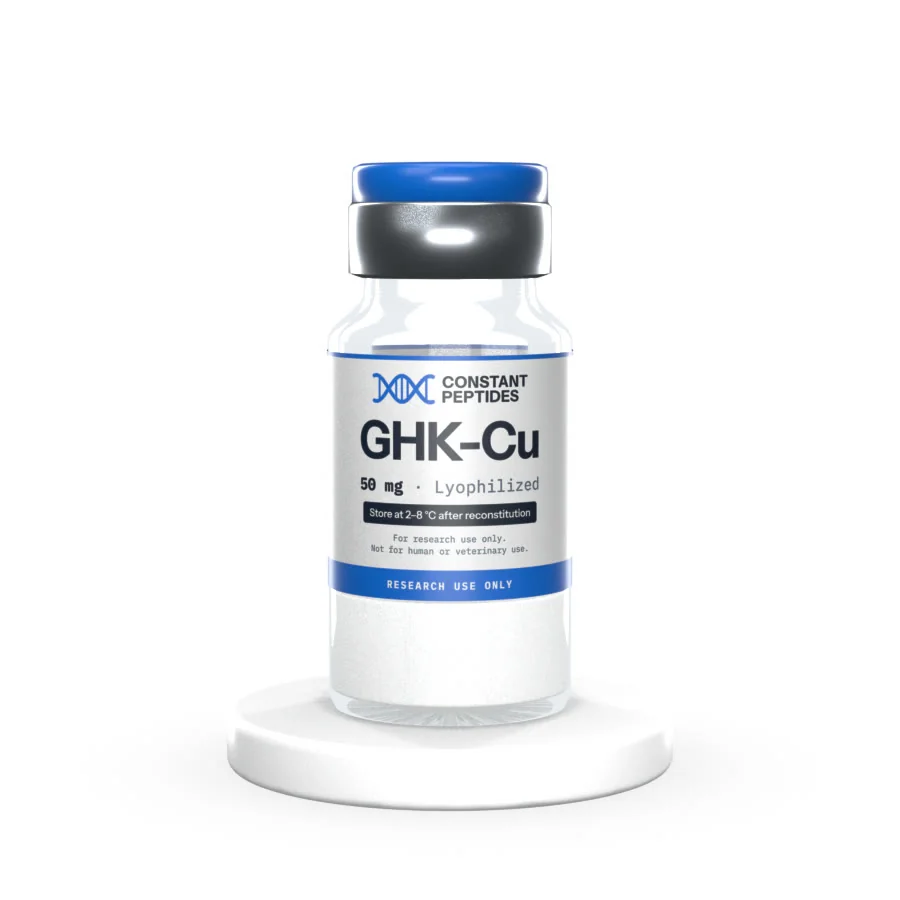
G-Cu supplied as a lyophilized powder in a sealed glass vial. CAS 89030-95-5. Molecular formula C14H23CuN6O4. Molecular weight approx. 402.92 g/mol. Freedom Diagnostics Testing tested a recent batch of G-Cu for identity and purity (September 2026); the report is on this page. For research use only. Not for human or veterinary use.
Both are tripeptides and both appear in our KLO blend, but their origins and chemistry differ. G-Cu is glycyl-histidyl-lysine bound to a copper(II) ion; the peptide was first described in plasma, and its histidine and amino groups coordinate the metal. K-PV is lysyl-prolyl-valine, residues 11 to 13 of alpha-melanocyte-stimulating hormone, and carries no metal. G-Cu research centers on collagen and proteoglycan synthesis in fibroblast systems, and K-PV research on PepT1 uptake and NF-kappaB signaling.
Exact mass through complexity are computed by PubChem.
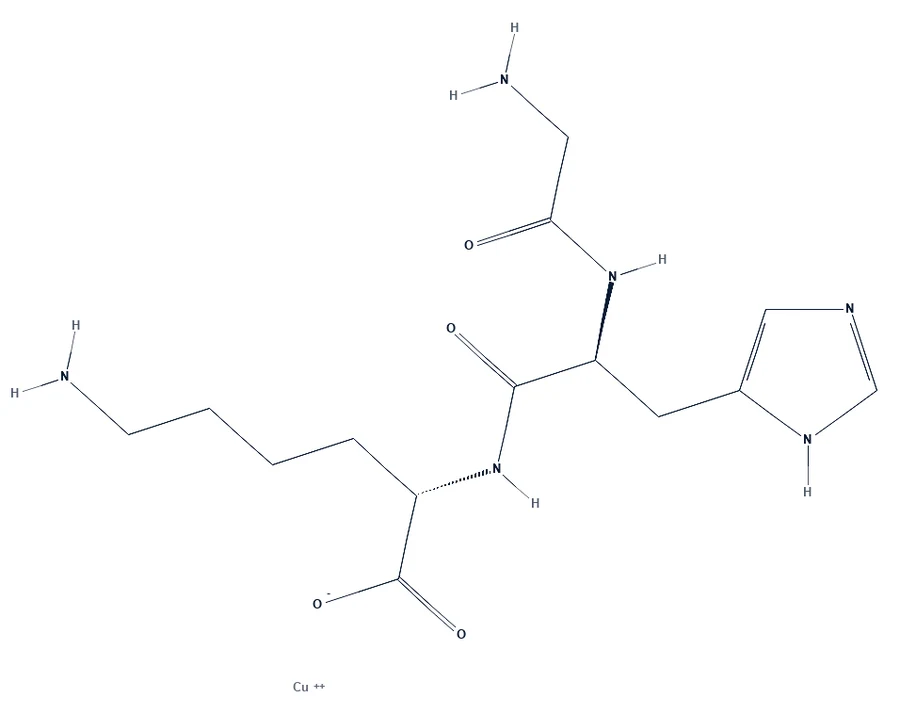
Tested 2026-09 by Freedom Diagnostics Testing.
G-Cu has been studied as a model of copper(II) coordination by a short peptide. Potentiometric and spectroscopic investigations characterize the copper complexes formed across a range of pH values, the contribution of the lysine side chain to complex stability, and competition with albumin for copper.
Investigations of G-Cu examine its association with extracellular matrix synthesis in fibroblast systems. Research models measure type I collagen production, glycosaminoglycan accumulation and differential regulation of decorin and biglycan, exploring how a sequence present within collagen itself may act as a local matrix signal.
Observations from controlled laboratory research. For research use only.
Independent third-party labs have tested a recent batch of most of our compounds for identity and purity. Where a report exists, it is on the product page and on the COA page.
Orders placed by 11 AM Central, Monday through Friday, ship the same business day. Orders placed after 11 AM, on weekends or on holidays ship the next business day. Orders ship from our U.S. warehouse: $10 standard shipping, free on orders over $150. We send you tracking when your order ships. Transit time depends on the carrier and your address.
Store sealed vials at 2–8 °C, protected from light, and keep the lyophilized powder dry. Each product page lists its storage under Specifications.
Our peptides ship as lyophilized (freeze-dried) powder in sealed vials, the form used for transport. Store them at 2–8 °C when they arrive.
Volume discounts apply in your cart automatically and count any mix of peptides: 2 items 5%, 3 items 10%, 4+ items 15% off. Every 3 Reconstitution Solutions or 4 acetic acids also count as one item. At 6 items you also choose a free vial. For larger orders, text us at (832) 210-3848.
We take payment by Zelle or Venmo. Place your order on this website, then text us at (832) 210-3848 with your order number and we'll text back the Zelle or Venmo payment details. We ship your order once the payment is confirmed. Prices, discounts and the total are shown before you place the order.
Research peptide
Lyophilized powder in a sealed glass vial. Purity 99.77% on the lab report.
Add to cart$79.00Research peptide
Lyophilized powder in a sealed glass vial. Purity 99.16% on the lab report.
CAS #: 137525-51-0
Research peptide
Lyophilized powder in a sealed glass vial. Purity 99.7% on the lab report.
Add to cart$179.00Research peptide
Lyophilized powder in a sealed glass vial. Purity 99% on the lab report.
CAS #: 77591-33-4
Research peptide
Lyophilized powder in a sealed glass vial. Purity 99.13% on the lab report.
CAS #: 53-84-9
In your cart
Size
Stock up & save
This item could not be added. Open the product page to add it there.
Your cart has 6 items. Choose a compound below and we add one vial of it to your order, free.
Your cart could not be updated.
Buy one, get one free when it's back